Wednesday, July 19, 2023

Temperature rise refers to the increase in average global temperatures.

Temperature rise refers to the increase in average global temperatures over time, primarily driven by human-induced climate change. Here is some information about temperature rise:


Causes: The main cause of temperature rise is the accumulation of greenhouse gases (GHGs) in the Earth's atmosphere, primarily carbon dioxide (CO2), methane (CH4), and nitrous oxide (N2O). Human activities, such as burning fossil fuels, deforestation, and industrial processes, significantly contribute to the increase in GHG concentrations.


Global Warming: The rise in temperatures is a key aspect of global warming, which refers to the long-term trend of increasing average temperatures on Earth. As GHG concentrations increase, they trap more heat in the atmosphere, leading to a warming effect known as the greenhouse effect.


Temperature Records: Historical temperature records and scientific observations show a clear warming trend over the past century. Multiple datasets from weather stations, satellite measurements, and other sources consistently indicate that the Earth's average surface temperature has been rising.


Impacts: Temperature rise has far-reaching impacts on various aspects of the Earth's systems. It affects weather patterns, leading to changes in precipitation, more frequent and intense heatwaves, altered storm patterns, and shifts in climate zones. Rising temperatures also contribute to the melting of glaciers and ice caps, rising sea levels, and disruptions to ecosystems and biodiversity.


Feedback Mechanisms: Temperature rise can trigger feedback mechanisms that further amplify the warming. For example, as ice and snow melt, the reduced surface reflectivity leads to increased absorption of solar radiation, further warming the planet. Additionally, thawing permafrost can release large amounts of stored carbon, which further contributes to greenhouse gas emissions.


Climate Models: Scientists use climate models, which simulate Earth's climate system, to project future temperature scenarios. These models incorporate factors such as greenhouse gas emissions, atmospheric dynamics, and feedback mechanisms to estimate potential temperature changes under different scenarios.


Mitigation and Adaptation: Mitigation efforts aim to reduce greenhouse gas emissions to limit future temperature rise. This includes transitioning to renewable energy sources, improving energy efficiency, and implementing sustainable practices. Adaptation strategies focus on preparing for and minimizing the impacts of temperature rise, such as developing resilient infrastructure, enhancing water resource management, and implementing heatwave preparedness plans.


International Agreements: Global efforts to address temperature rise are outlined in international agreements like the Paris Agreement. The agreement aims to limit the global temperature increase well below 2 degrees Celsius above pre-industrial levels and pursue efforts to limit the increase to 1.5 degrees Celsius. It also emphasizes the need for global cooperation and actions to mitigate climate change.


Temperature Records: Historical temperature records indicate that the Earth's surface temperatures have been increasing significantly over the past century. This warming trend is observed across various regions of the world and is consistent with climate model projections.


Heatwaves: Rising temperatures contribute to more frequent and intense heatwaves. Heatwaves can have severe impacts on human health, causing heat-related illnesses and deaths, as well as placing strain on infrastructure, agriculture, and energy systems.


Impact on Ecosystems: Temperature rise affects ecosystems and biodiversity. Species may experience changes in their geographical distribution, migration patterns, breeding seasons, and interactions with other species. Some species may struggle to adapt to rapid temperature changes, leading to shifts in ecosystems and potential loss of biodiversity.


Ocean Warming: The increase in global temperatures also affects the oceans. Warmer ocean temperatures can lead to coral bleaching events, impacting coral reef ecosystems. It can also disrupt marine food webs, migration patterns of marine species, and the productivity of marine ecosystems.


Permafrost Thawing: In high-latitude regions, temperature rise contributes to the thawing of permafrost—frozen ground that contains significant amounts of organic carbon. As permafrost thaws, it releases greenhouse gases, such as methane, which further contribute to temperature rise.


Urban Heat Island Effect: Urban areas tend to experience higher temperatures compared to surrounding rural areas due to the urban heat island effect. This effect is caused by factors like the concentration of buildings and infrastructure, reduced vegetation, and heat-absorbing materials. It can exacerbate the impacts of temperature rise on urban populations.


Implications for Water Resources: Rising temperatures affect water resources, including changes in precipitation patterns, snowmelt timing, and river flows. This can have implications for water availability, affecting agriculture, drinking water supplies, hydropower generation, and ecosystems dependent on freshwater.


Health Impacts: Temperature rise poses risks to human health. Heat-related illnesses, such as heatstroke and heat exhaustion, become more prevalent during extreme heat events. Additionally, the spread of infectious diseases and the exacerbation of respiratory conditions can be influenced by changing temperature patterns.


Climate Feedbacks: Temperature rise can trigger positive feedback loops in the climate system. For example, as Arctic sea ice melts, it reduces the surface reflectivity, causing more sunlight to be absorbed by the darker ocean surface, leading to further warming and ice melt.

Addressing temperature rise and its associated impacts requires a combination of mitigation efforts to reduce greenhouse gas emissions and adaptation measures to prepare for and minimize the effects of warming. Continued research, international cooperation, and collective action are crucial in addressing the challenges posed by rising temperatures.


#TemperatureRise #GlobalWarming #ClimateChange #Heatwaves #Ecosystems #OceanWarming #PermafrostThawing #UrbanHeatIsland #WaterResources #HealthImpacts #ClimateFeedbacks #Mitigation #Adaptation #HeatRelatedIllness #Biodiversity #CoralBleaching #SpeciesMigration #WaterAvailability #ExtremeHeat #ClimateScience #TemperatureRecords #ParisAgreement #RenewableEnergy #SustainablePractices

Sea level rise refers to the long-term increase in the average height of the Earth.

Sea level rise refers to the long-term increase in the average height of the Earth's ocean surface. It is primarily caused by two main factors: thermal expansion of seawater and the addition of water from melting glaciers and ice sheets. Here is some information about sea level rise:


Causes: Sea level rise is primarily driven by global warming, which is caused by the increase in greenhouse gases in the atmosphere. The main contributors to sea level rise are the thermal expansion of seawater as it warms and the melting of ice from glaciers and ice sheets.


Thermal Expansion: As the Earth's atmosphere and oceans warm, seawater expands, leading to an increase in sea levels. Warmer water takes up more space, causing the oceans to expand and contribute to rising sea levels.


Melting Ice: The melting of land-based ice, such as glaciers and ice sheets in Greenland and Antarctica, adds water to the oceans and contributes to sea level rise. When these ice masses melt, the water flows into the ocean, causing a rise in sea levels.


Current and Future Impacts: Sea level rise has several consequences, including increased coastal flooding, coastal erosion, and saltwater intrusion into freshwater sources. Low-lying coastal areas and islands are particularly vulnerable to the impacts of sea level rise. The risks include loss of land, displacement of communities, damage to infrastructure, and threats to coastal ecosystems and habitats.


Regional Variations: Sea level rise does not occur uniformly around the world. It is influenced by various factors such as ocean currents, wind patterns, and gravitational effects. Some areas may experience higher rates of sea level rise than others, resulting in regional variations in the impacts.


Projections: Scientists use climate models and historical data to project future sea level rise scenarios. Projections vary depending on factors such as greenhouse gas emissions and the response of ice sheets. Different scenarios suggest a range of sea level rise by the end of the century, and there is a potential for continued rise beyond that timeframe.


Adaptation and Mitigation: To address the impacts of sea level rise, adaptation and mitigation strategies are crucial. Adaptation involves measures such as building coastal defenses, implementing land-use planning, and restoring coastal ecosystems to enhance resilience. Mitigation efforts aim to reduce greenhouse gas emissions to limit further global warming and subsequent sea level rise.


Satellite Measurements: Scientists monitor sea level rise using satellite observations. Satellite altimeters measure the height of the ocean surface and provide precise data on global sea level changes over time. This allows for accurate monitoring and analysis of sea level rise on a global scale.


Amplifying Factors: Sea level rise can be influenced by various amplifying factors. For example, as ice melts, it reduces the gravitational attraction on the ocean, causing nearby water to move towards those areas, further increasing sea levels in those regions. Additionally, feedback loops can occur, such as the darkening of ice surfaces due to melting, which absorbs more heat and accelerates melting.


Coastal Erosion: Rising sea levels contribute to coastal erosion, as higher water levels expose coastlines to increased wave energy and storm surges. This erosion can lead to the loss of valuable land, property damage, and the displacement of coastal communities.


Saltwater Intrusion: Sea level rise can lead to the intrusion of saltwater into coastal freshwater sources, such as aquifers and estuaries. This can impact drinking water supplies, agricultural irrigation, and the health of freshwater-dependent ecosystems.


Adaptation Strategies: Communities and regions vulnerable to sea level rise are implementing adaptation strategies. These include the construction of sea walls, dikes, and levees to protect coastal areas, beach nourishment projects to replenish eroded shorelines, and the implementation of zoning regulations to guide development away from high-risk areas.


Coastal Ecosystems: Coastal ecosystems such as mangroves, salt marshes, and coral reefs provide natural buffers against rising sea levels. Protecting and restoring these ecosystems can enhance coastal resilience by reducing wave energy, stabilizing sediments, and providing habitat for diverse marine life.


International Collaboration: Addressing sea level rise requires international collaboration and cooperation. Countries and organizations work together to share scientific data, develop adaptation strategies, and coordinate efforts to mitigate climate change and reduce greenhouse gas emissions.


Long-term Outlook: Even with significant efforts to reduce greenhouse gas emissions, sea levels will continue to rise for centuries due to the slow response of ice sheets to temperature changes. Therefore, long-term planning and adaptation measures are essential for coastal communities to manage the ongoing impacts of sea level rise.

Sea level rise is a complex and multifaceted issue that requires a comprehensive understanding and collective action to mitigate its impacts and adapt to the changing coastal environment.


#SeaLevelRise #ClimateChange #CoastalFlooding #Erosion #Adaptation #CoastalCommunities #Infrastructure #SaltwaterIntrusion #CoastalHabitats #Mangroves #CoralReefs #Projections #RegionalVariations #Resilience #Mitigation #GreenhouseGases #MeltingIceCaps #FutureImpacts #CoastalManagement #RiskAssessment #CommunityPlanning #InfrastructureProtection #FloodResilience #CoastalErosion #TidalInundation #ClimateVulnerability

Tuesday, July 18, 2023

Climate change refers to long-term shifts in weather patterns and average temperatures on Earth.

Climate change refers to long-term shifts in weather patterns and average temperatures on Earth. It is primarily caused by human activities, particularly the burning of fossil fuels and deforestation, which release large amounts of greenhouse gases into the atmosphere. These greenhouse gases, such as carbon dioxide (CO2) and methane (CH4), trap heat and contribute to the warming of the planet.


Climate change has significant environmental, economic, and social impacts. Some of the key aspects to consider are:

Rising Temperatures: Global average temperatures have been steadily increasing, resulting in more frequent and intense heatwaves. Higher temperatures also lead to the melting of glaciers and ice caps, causing sea levels to rise.


Extreme Weather Events: Climate change is associated with an increase in extreme weather events such as hurricanes, droughts, floods, and wildfires. These events can have devastating consequences, including property damage, loss of life, and displacement of communities.


Sea-Level Rise: As temperatures rise, ice sheets and glaciers melt, leading to a rise in sea levels. This poses a significant threat to coastal regions, increasing the risk of flooding and erosion, and impacting ecosystems and infrastructure.


Ecosystem Disruption: Climate change affects ecosystems and biodiversity. It can lead to habitat loss, species extinction, shifts in migration patterns, and disruptions in natural cycles, which can have far-reaching consequences for ecosystems and the services they provide, such as water purification and pollination.


Agricultural Impacts: Changes in temperature and precipitation patterns can affect agricultural productivity, leading to crop failures, reduced yields, and food insecurity. Climate change also increases the prevalence of pests and diseases that affect crops and livestock.


Ocean Acidification: Increased levels of carbon dioxide in the atmosphere are absorbed by the oceans, leading to ocean acidification. This process lowers the pH of seawater, which can have detrimental effects on marine life, including coral reefs, shellfish, and other organisms that rely on calcium carbonate for their shells or skeletons.


Health Impacts: Climate change has various health consequences, including heat-related illnesses, increased prevalence of vector-borne diseases like malaria and dengue fever, worsened air quality leading to respiratory issues, and mental health impacts due to displacement and loss caused by climate-related events.


Displacement and Migration: Rising sea levels, extreme weather events, and changing ecosystems can force communities to relocate, resulting in climate-induced displacement. This displacement can lead to social, economic, and political challenges, as well as exacerbate existing inequalities and conflicts.


Economic Costs: Climate change carries significant economic costs. These include the expenses associated with disaster response and recovery, damage to infrastructure, decreased agricultural productivity, and impacts on industries such as tourism, fisheries, and insurance. Investing in climate change mitigation and adaptation measures can help reduce these costs in the long run.


International Cooperation: Addressing climate change requires global collaboration and cooperation. International negotiations and agreements aim to set emission reduction targets, provide financial assistance to developing countries, and foster technology transfer to support climate action.


Climate Justice: Climate change disproportionately affects vulnerable communities, including low-income populations, Indigenous peoples, and developing nations. Climate justice seeks to address these disparities by advocating for equitable access to resources, decision-making processes, and the fair distribution of the benefits and burdens of climate action.


Role of Renewable Energy: Transitioning from fossil fuels to renewable energy sources such as solar, wind, and hydroelectric power is crucial in mitigating climate change. Promoting renewable energy technologies and increasing their accessibility and affordability are key steps towards a sustainable energy future.


#ClimateChange
#ActOnClimate#GlobalWarming#ClimateAction#Sustainability
#RenewableEnergy#ClimateJustice#GreenhouseGases#ClimateCrisis
#EcoFriendly#CleanEnergy#ParisAgreement#CarbonFootprint#ClimateAwareness
#Adaptation#Mitigation#YouthForClimate#NatureBasedSolutions#ClimateScience#ZeroEmissions

Friday, July 7, 2023

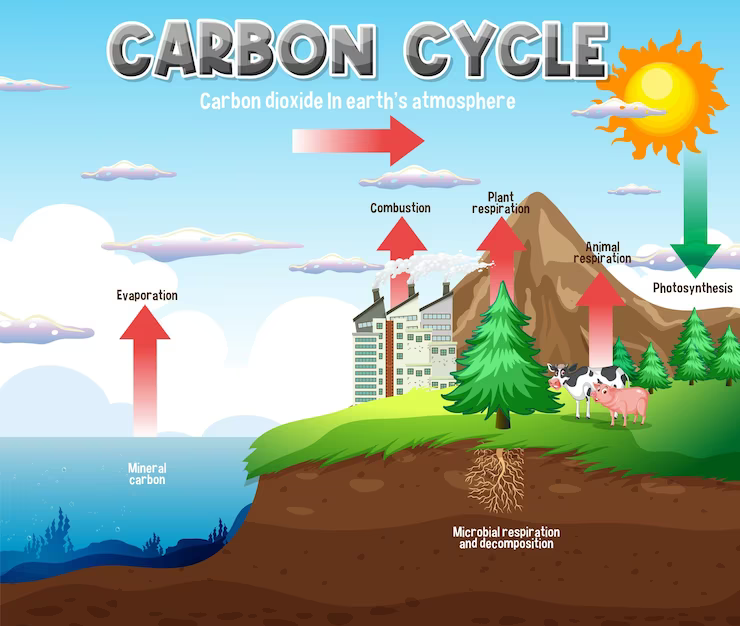
Carbon dioxide (CO2) is a colorless, odorless gas composed of one carbon atom bonded with two oxygen atoms

Carbon dioxide (CO2) is a colorless, odorless gas composed of one carbon atom bonded with two oxygen atoms. It is a naturally occurring greenhouse gas that plays a vital role in Earth's atmosphere and the carbon cycle. Here are some key points about carbon dioxide:


Sources: Carbon dioxide is released into the atmosphere through both natural and human activities. Natural sources include volcanic eruptions, decomposition of organic matter, and respiration by plants and animals. Human activities such as burning fossil fuels (coal, oil, and natural gas), deforestation, and industrial processes significantly contribute to the increase in CO2 levels.


Greenhouse Effect:
Carbon dioxide is one of the primary greenhouse gases responsible for trapping heat in the Earth's atmosphere. It allows sunlight to pass through the atmosphere but absorbs and re-emits the infrared radiation emitted by the Earth's surface, thereby preventing the escape of heat into space. This process is known as the greenhouse effect and is essential for maintaining a habitable temperature on Earth.


Climate Change: The increased concentration of carbon dioxide and other greenhouse gases in the atmosphere is a major factor contributing to climate change. Human activities have significantly raised CO2 levels since the Industrial Revolution, leading to a rise in global average temperatures, melting of ice caps and glaciers, sea-level rise, altered weather patterns, and other climate-related impacts.


Carbon Cycle:
Carbon dioxide is a part of the carbon cycle, a natural process through which carbon atoms circulate between the atmosphere, oceans, land, and living organisms. It is absorbed by plants during photosynthesis, which converts CO2 into organic compounds while releasing oxygen. Through respiration and decay, carbon is returned to the atmosphere or stored in the oceans and land.


Monitoring and Measurement
: Scientists monitor carbon dioxide levels using various methods, including direct measurements from ground-based monitoring stations, satellite observations, and ice core samples. The Mauna Loa Observatory in Hawaii is famous for its continuous measurements of atmospheric CO2 since the 1950s, showing a significant increase over time.


Impacts on Ocean Acidification:
When carbon dioxide dissolves in seawater, it forms carbonic acid, leading to ocean acidification. Increased CO2 levels can lower the pH of the oceans, which can harm marine life, especially organisms that rely on calcium carbonate to build shells or skeletons, such as corals and certain shellfish.


Mitigation: Reducing carbon dioxide emissions is crucial for mitigating climate change. Efforts include transitioning to renewable energy sources, improving energy efficiency, promoting sustainable land management practices, and implementing carbon capture and storage technologies. Additionally, reforestation and afforestation projects help sequester carbon dioxide by absorbing it through photosynthesis.


Atmospheric Concentration:
The pre-industrial concentration of carbon dioxide in the atmosphere was approximately 280 parts per million (ppm). However, due to human activities, particularly the burning of fossil fuels, the atmospheric concentration has risen to over 400 ppm as of 2021. This increase in CO2 concentration is primarily responsible for the enhanced greenhouse effect.


Longevity in the Atmosphere: Carbon dioxide has a long atmospheric lifetime. While individual CO2 molecules are constantly exchanged between the atmosphere, oceans, and land, the overall increase in CO2 concentration persists for a significant period. It takes hundreds to thousands of years for carbon dioxide emissions to be naturally removed from the atmosphere through processes such as carbon sequestration in vegetation, soil, or the deep ocean.


Positive Feedback Loop:
The increased concentration of carbon dioxide in the atmosphere can lead to positive feedback loops that amplify climate change. For example, as temperatures rise, natural carbon sinks like forests and permafrost may release stored carbon, further increasing CO2 levels and exacerbating global warming.


Carbon Offsetting: Carbon offsetting refers to activities that aim to compensate for carbon dioxide emissions by reducing emissions elsewhere or removing CO2 from the atmosphere. It involves projects such as reforestation, renewable energy initiatives, or investments in carbon capture and storage technologies. Carbon offsetting allows individuals, organizations, and countries to take responsibility for their carbon footprint and contribute to climate change mitigation efforts.


International Agreements: Addressing carbon dioxide emissions and climate change is a global concern. International agreements like the Paris Agreement, signed in 2015, aim to limit global warming to well below 2 degrees Celsius above pre-industrial levels and pursue efforts to limit the temperature increase to 1.5 degrees Celsius. The agreement promotes cooperation among nations to reduce greenhouse gas emissions, adapt to the impacts of climate change, and provide financial and technological support to developing countries.


Carbon Dioxide Removal (CDR): In addition to reducing emissions, there is growing interest in carbon dioxide removal technologies as a means to actively remove CO2 from the atmosphere. These technologies include direct air capture, enhanced weathering, and ocean fertilization. While CDR has the potential to help reduce atmospheric CO2 levels, the scalability, costs, and potential environmental impacts of these technologies are still being studied and developed.


Carbon Footprint: A carbon footprint is the total amount of greenhouse gases, including carbon dioxide, emitted directly or indirectly by an individual, organization, product, or activity. It measures the impact of human actions on climate change. By assessing and reducing their carbon footprint, individuals and businesses can contribute to mitigating CO2 emissions.


#CarbonDioxide #CO2 #GreenhouseGas #ClimateChange #GlobalWarming #Atmosphere #CarbonCycle #Emissions #Mitigation #ParisAgreement #CarbonFootprint #OceanAcidification #RenewableEnergy #FossilFuels #CarbonSequestration #CarbonOffsetting #DirectAirCapture #Sustainability #ClimateAction

Wednesday, July 5, 2023

Biofuels are renewable energy sources derived from organic material.

Biofuels are renewable energy sources derived from organic materials, such as plants, crops, and agricultural residues. They offer an alternative to conventional fossil fuels and can help reduce greenhouse gas emissions and dependence on finite resources. Here is some information about biofuels:


Types of Biofuels: a. Ethanol: Ethanol is produced through the fermentation of sugars and starches found in crops such as corn, sugarcane, and wheat. It is commonly used as a blending agent in gasoline or as a standalone fuel in flex-fuel vehicles. b. Biodiesel: Biodiesel is derived from vegetable oils, animal fats, or recycled cooking oils. It can be used as a direct replacement for diesel fuel or blended with petroleum diesel in various proportions. c. Biogas: Biogas is generated through the anaerobic digestion of organic waste materials, including agricultural residues, food waste, and animal manure. It primarily consists of methane and carbon dioxide and can be used for heating, electricity generation, or as a vehicle fuel. d. Biojet Fuel: Biojet fuel is specifically designed for aviation applications. It can be produced from various feedstocks, such as algae, waste oils, or biomass, and meets the required specifications for use in jet engines.


Environmental Benefits: a. Greenhouse Gas Emissions: Biofuels have the potential to reduce greenhouse gas emissions compared to fossil fuels. During photosynthesis, plants absorb carbon dioxide from the atmosphere, which is later released when biofuels are combusted. However, the overall reduction depends on factors such as the type of feedstock and the cultivation and production practices. b. Renewable Energy: Biofuels are derived from renewable resources, unlike fossil fuels, which are limited in supply. The ability to grow and harvest feedstocks for biofuel production makes them a sustainable energy option. c. Air Quality Improvement: Biofuels generally have lower emissions of pollutants such as sulfur dioxide, particulate matter, and nitrogen oxides compared to fossil fuels. Their use can contribute to improved air quality and reduced health impacts.


Challenges and Considerations: a. Land Use and Food Security: Biofuel production competes with agricultural land, which may raise concerns about food security. Sustainable land management, using non-food feedstocks or marginal lands for cultivation, and promoting efficient agricultural practices can help address these challenges. b. Resource Efficiency: Efficient use of resources such as water, fertilizers, and energy is important in biofuel production to minimize environmental impacts and ensure sustainability. c. Technological Advancements: Continued research and development are necessary to enhance biofuel production processes, improve yields, and explore new feedstocks. Advanced technologies can help optimize efficiency and reduce costs. d. Sustainability Criteria: Implementing sustainability criteria is crucial to ensure that biofuel production meets environmental and social standards. This includes assessing the life cycle impacts of biofuels, such as land use change, greenhouse gas emissions, and impacts on biodiversity.


Global Policies and Initiatives: Many countries have implemented policies and initiatives to promote biofuel production and use. These include blending mandates, tax incentives, subsidies, and renewable energy targets. Additionally, sustainability certification programs and voluntary schemes help ensure responsible biofuel production.


Second-Generation Biofuels: Second-generation biofuels, also known as advanced biofuels, are produced from non-food feedstocks, such as agricultural residues, woody biomass, and dedicated energy crops. These feedstocks have a lower impact on food production and can help overcome the challenges associated with land use and food security.


Algae-based Biofuels: Algae-based biofuels are derived from the cultivation and processing of algae. Algae can have high oil content and can be grown in various environments, including ponds, photobioreactors, and wastewater treatment facilities. Algae biofuels have the potential to provide high yields and reduce land requirements compared to traditional biofuel feedstocks.


Co-products and By-products: Biofuel production often generates co-products and by-products that have additional value. For example, the by-products of ethanol production include distillers' grains, which can be used as animal feed, and carbon dioxide, which can be captured and utilized in other industrial processes.


Biofuel Blending: Biofuels are commonly blended with conventional fuels to create blends with specific properties and meet regulatory requirements. For example, gasoline may contain a certain percentage of ethanol (such as E10, which is 10% ethanol) or diesel may include a percentage of biodiesel (such as B5, which is 5% biodiesel).


Biorefineries: Biorefineries are facilities that integrate various biomass conversion processes to produce biofuels, along with other valuable products. Biorefineries utilize a range of feedstocks and technologies to maximize the efficiency of biomass utilization and enhance the economic viability of biofuel production.


International Collaboration: Biofuels are a global energy solution, and international collaboration plays a significant role in their development and deployment. Countries often share knowledge, technologies, and best practices to accelerate the growth of the biofuels industry and address common challenges.


Future Prospects: Biofuels continue to evolve, with ongoing research focused on improving feedstock availability, increasing production efficiency, and reducing costs. Emerging technologies, such as advanced fermentation techniques and genetic engineering, have the potential to further enhance biofuel production processes and increase yields.


Integration with Sustainable Practices: Biofuels are part of a broader movement towards sustainable practices in the energy sector. They can be integrated with other renewable energy sources, such as solar and wind power, to create a more diversified and environmentally friendly energy portfolio.


#Biofuels #RenewableEnergy #Ethanol #Biodiesel #Biogas #BiojetFuel #SecondGenerationBiofuels #AlgaeBiofuels #CoProducts #ByProducts #BiofuelBlending #Biorefineries #InternationalCollaboration #SustainablePractices #EnergyTransition #ClimateChangeMitigation #GreenhouseGasEmissions #Feedstock #LandUse #ResearchAndDevelopment #PolicySupport

Pollution control

Pollution control refers to the measures and actions taken to minimize or eliminate pollution, which is the introduction of harmful substances or contaminants into the environment. Pollution control aims to protect human health, preserve ecosystems, and maintain a sustainable environment. Here's some information about pollution control:


Air Pollution Control: Air pollution control involves implementing strategies and technologies to reduce the emissions of pollutants into the atmosphere. This can include the use of pollution control devices such as scrubbers and filters in industrial processes, promoting cleaner energy sources, implementing vehicle emission standards, and establishing regulations on industrial emissions.


Water Pollution Control: Water pollution control focuses on preventing the contamination of water bodies such as rivers, lakes, and oceans. Strategies include wastewater treatment to remove pollutants before discharge, implementing regulations on industrial and agricultural runoff, promoting proper waste disposal practices, and protecting water sources from contamination.


Soil Pollution Control: Soil pollution control aims to prevent or remediate the contamination of soil by hazardous substances. Strategies can include proper management and disposal of industrial and agricultural waste, soil remediation techniques, and promoting sustainable agricultural practices that minimize the use of chemicals and fertilizers.


Waste Management: Effective waste management plays a crucial role in pollution control. This includes reducing waste generation through recycling and waste minimization efforts, implementing proper waste disposal systems, such as landfill management and incineration with appropriate emissions control, and promoting circular economy practices to reduce resource consumption.


Noise Pollution Control: Noise pollution control involves measures to minimize excessive and unwanted noise levels in the environment. This can include the use of noise barriers, regulations on noise emissions from industrial and transportation sources, and urban planning strategies that consider noise reduction in the design of buildings and infrastructure.


Environmental Regulations and Policies: Pollution control is supported by the development and enforcement of environmental regulations and policies. Governments establish standards and guidelines to control pollution, set emission limits for industries, and implement measures to ensure compliance. International agreements and treaties also play a role in addressing global environmental challenges.


Pollution Monitoring and Assessment: Monitoring and assessing pollution levels are essential for effective pollution control. This involves the collection of data on pollutant concentrations, conducting environmental impact assessments, and utilizing technologies such as remote sensing and air quality monitoring stations to track pollution levels and identify areas for improvement.


Environmental Education and Awareness: Promoting environmental education and raising public awareness about pollution control is crucial. Education programs can inform individuals about the causes and impacts of pollution, encourage sustainable practices, and empower communities to take action to reduce pollution in their surroundings.


Technological Innovations: Advancements in technology play a significant role in pollution control. Innovative solutions such as cleaner production technologies, renewable energy sources, advanced pollution control devices, and green engineering practices contribute to reducing pollution and minimizing environmental impacts.


International Cooperation: Pollution control is a global concern that requires international cooperation. Countries collaborate on issues such as transboundary pollution, climate change, and the management of shared water bodies. International agreements and initiatives promote information sharing, technology transfer, and collective action to address pollution at a global scale.


Emission Reduction Technologies: The development and implementation of emission reduction technologies are crucial in pollution control. These technologies include advanced air pollution control systems, such as catalytic converters in vehicles and smokestack scrubbers in industries, which help reduce the release of harmful pollutants into the environment.


Environmental Impact Assessments: Conducting environmental impact assessments (EIAs) is an important step in pollution control. EIAs assess the potential environmental impacts of proposed projects or activities and provide recommendations to minimize or mitigate these impacts. They help ensure that pollution control measures are considered early in the planning and decision-making processes.


Green Infrastructure: Green infrastructure refers to the use of natural systems and ecological processes to manage pollution and enhance environmental quality. Examples include constructed wetlands for wastewater treatment, green roofs and walls for air purification, and urban green spaces to absorb pollutants and improve air quality.


Best Management Practices: Best management practices (BMPs) are guidelines and techniques that industries, agriculture, and individuals can adopt to minimize pollution. BMPs may include proper waste management, soil erosion control measures, use of environmentally friendly materials and practices, and water conservation methods.


Voluntary Initiatives: Voluntary initiatives play a role in pollution control efforts. Companies, organizations, and communities may voluntarily adopt practices and technologies that go beyond regulatory requirements to reduce pollution and minimize their environmental footprint. These initiatives often involve commitments to sustainability, corporate social responsibility, and environmental stewardship.


Public-Private Partnerships: Collaboration between the public and private sectors is important for effective pollution control. Public-private partnerships can leverage the expertise, resources, and innovation of both sectors to develop and implement pollution control strategies, share knowledge and best practices, and foster sustainable development.


Environmental Justice: Pollution control efforts should consider environmental justice principles, ensuring that all individuals, regardless of their socio-economic background or geographic location, have equal access to a clean and healthy environment. Addressing environmental inequalities and ensuring the fair distribution of pollution control measures is an important aspect of comprehensive pollution control.


International Conventions and Protocols: Global cooperation through international conventions and protocols helps address cross-border pollution challenges. Examples include the United Nations Framework Convention on Climate Change (UNFCCC), the Stockholm Convention on Persistent Organic Pollutants (POPs), and the Basel Convention on the Control of Transboundary Movements of Hazardous Wastes and their Disposal.


Pollution Prevention: Pollution prevention focuses on reducing or eliminating pollution at its source, rather than treating or managing it after it is generated. By adopting pollution prevention strategies, industries and individuals can minimize the generation of pollutants, conserve resources, and reduce environmental impacts.


Continuous Monitoring and Improvement: Pollution control is an ongoing process that requires continuous monitoring, evaluation, and improvement. Regular monitoring of pollution levels, assessing the effectiveness of pollution control measures, and making adjustments based on new technologies and scientific advancements are important for maintaining a sustainable pollution control framework.


#PollutionControl #AirPollutionControl #WaterPollutionControl #SoilPollutionControl #WasteManagement #NoisePollutionControl #EnvironmentalRegulations #PollutionMonitoring #EnvironmentalEducation #TechnologicalInnovations #InternationalCooperation #EmissionReductionTechnologies #EnvironmentalImpactAssessments #GreenInfrastructure #BestManagementPractices #VoluntaryInitiatives #PublicPrivatePartnerships #EnvironmentalJustice #InternationalConventions #PollutionPrevention #ContinuousMonitoring

Augmented reality (AR).

Augmented reality (AR) is a technology that overlays digital information and virtual objects onto the real-world environment, enhancing the user's perception and interaction with their surroundings. It seamlessly integrates computer-generated elements with the user's view of the physical world. Here's some information about augmented reality:


How Augmented Reality Works: Augmented reality utilizes cameras, sensors, and display devices to blend digital content with the real world. By tracking the user's position and orientation, AR systems can accurately place virtual objects in the user's field of view, aligning them with the physical environment.


Types of Augmented Reality: There are different types of augmented reality experiences, ranging from simple to immersive:

a. Marker-based AR: This type of AR relies on specific markers or visual cues in the environment to trigger the display of virtual content. The markers act as reference points for the system to overlay digital elements.

b. Markerless AR: Markerless AR uses computer vision and object recognition algorithms to detect and track objects or features in the real world, allowing virtual content to be placed accurately without the need for markers.

c. Projection-based AR: In projection-based AR, digital content is projected onto real-world surfaces, such as walls or floors, creating interactive and dynamic visual experiences.

d. Location-based AR: This type of AR utilizes GPS or other location-tracking technologies to overlay digital information based on the user's geographic location. It is commonly used in navigation apps and location-based games.

e. Wearable AR: Wearable AR devices, such as smart glasses or headsets, provide a hands-free AR experience by overlaying digital information directly in the user's field of view.


Applications of Augmented Reality: Augmented reality finds applications in various fields, including:

a. Entertainment and Gaming: AR is used in gaming to create immersive experiences by overlaying virtual elements onto the real world. It also enhances entertainment by offering interactive and engaging content.

b. Education and Training: AR can be utilized in education to provide interactive learning experiences, visualizations, and simulations. It enables students to explore complex concepts and enhances training programs by overlaying instructions or digital guidance onto real-world tasks.

c. Architecture and Design: Architects and designers can use AR to visualize and present their designs in real-world contexts. AR enables clients to experience virtual representations of buildings, interiors, or products in their actual surroundings.

d. Healthcare and Medicine: AR has applications in healthcare, such as surgical planning, medical training, and visualization of patient data. It can overlay medical information and 3D models onto the patient's body, aiding in diagnosis and treatment.

e. Retail and E-commerce: AR enhances the shopping experience by allowing customers to virtually try on clothes, visualize furniture in their homes, or preview products in real-world settings.

f. Industrial and Manufacturing: AR is used in industrial settings for maintenance, assembly instructions, and quality control. It can overlay digital information onto machinery or provide step-by-step guidance to workers.


Challenges and Future Developments: Augmented reality still faces challenges, such as ensuring accurate tracking, improving display technologies, and developing user-friendly interfaces. However, advancements in hardware, software, and AI algorithms continue to enhance the capabilities and user experience of AR. Future developments may involve more seamless integration of virtual and real-world elements, increased interactivity, and wider adoption across industries.


Augmented Reality vs. Virtual Reality: While augmented reality overlays digital content onto the real world, virtual reality (VR) creates a fully immersive, computer-generated environment that replaces the real world. AR enhances the real-world environment, whereas VR creates a simulated environment. Both technologies have unique applications and experiences.


Mobile AR: With the widespread availability of smartphones and tablets, augmented reality experiences are often delivered through mobile devices. Mobile AR apps utilize the device's camera, sensors, and display to provide AR functionalities, allowing users to access AR experiences without additional hardware.


Enterprise and Industrial Applications: Augmented reality has significant potential in enterprise and industrial settings. It can be used for remote collaboration, virtual prototyping, maintenance and repair guidance, equipment visualization, and real-time data overlay for professionals working in fields such as engineering, manufacturing, and logistics.


Training and Simulation: Augmented reality offers immersive training and simulation environments. It allows trainees to practice real-world tasks in a safe, controlled virtual environment. AR can be applied in various industries, including aviation, military, healthcare, and emergency response, to provide realistic training scenarios and improve learning outcomes.


Spatial Mapping and Object Recognition: To accurately overlay virtual content onto the real world, augmented reality systems employ techniques like spatial mapping and object recognition. Spatial mapping enables the system to understand and analyze the physical environment, while object recognition helps identify and track specific objects or surfaces for precise content placement.


Social and Collaborative AR: Augmented reality can support social interactions and collaboration by enabling users to share and interact with virtual content in real time. This can range from multiplayer AR gaming experiences to shared virtual workspaces where remote users can collaborate on projects or visualize designs collectively.


Augmented Reality in Advertising and Marketing: AR has gained popularity in advertising and marketing campaigns. Brands use AR to engage consumers by providing interactive product experiences, virtual try-on features, immersive storytelling, and gamified promotions. AR can enhance brand awareness, customer engagement, and purchase decision-making.


Accessibility and Inclusivity: Augmented reality has the potential to enhance accessibility and inclusivity. It can provide visual aids, navigation assistance, and context-specific information for individuals with visual impairments. AR can also support language translation, augment communication for individuals with hearing impairments, and offer inclusive experiences for people with diverse abilities.


Ethical and Privacy Considerations: As with any technology, augmented reality raises ethical and privacy concerns. Issues related to data security, user privacy, consent, and responsible content creation need to be addressed to ensure the ethical and responsible use of AR technology.


Augmented Reality in Sports and Entertainment: AR is being increasingly integrated into sports broadcasts and live events. It can provide real-time player statistics, virtual replays, and enhanced viewing experiences for fans. In live performances, AR can be used to create interactive stage designs, visual effects, and immersive storytelling.


Art and Creativity: Augmented reality has opened up new possibilities for artistic expression and creative experiences. Artists can create digital artworks that interact with the physical world, allowing viewers to experience a blend of physical and virtual elements. AR also enables users to personalize and customize their surroundings with virtual art installations.


#AugmentedReality #AR #MixedReality #SpatialMapping #ObjectRecognition #MobileAR #IndustrialAR #TrainingandSimulation #CollaborativeAR #SocialAR #AdvertisingAR #Accessibility #EthicalConsiderations #PrivacyConcerns #SportsAR #EntertainmentAR #ArtandCreativity

Cognitive psychology is a branch of psychology .

Cognitive psychology is a branch of psychology that focuses on studying mental processes such as perception, attention, memory, thinking, pr...